Symmetry & Soul: The Humanist Grid
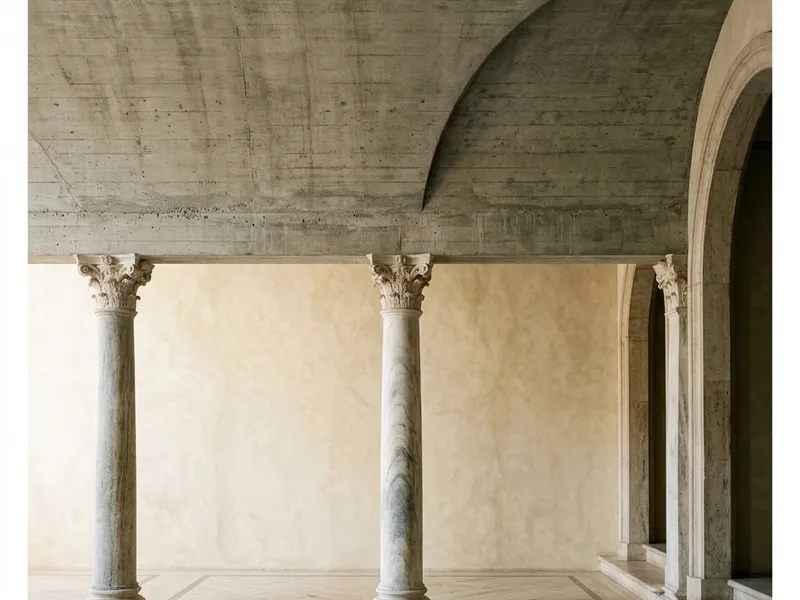
In an era of layout generators and algorithmic grids, we have lost the human touch. When Alberti wrote his architectural treatises in the 15th century, he argued that beauty is the reasoned harmony of all parts within a body. Every line, every arch, every void must exist in relation to the whole.
Our digital canvases are no different. When we create a website, we are not just organizing elements on a screen; we are building a virtual dwelling.
The Restraint of the Void
A common pitfall of modern web layout is the fear of empty space. We pack screens with sticky headers, persistent widgets, chat bubbles, and banners. In Renaissance architecture, the courtyard represents the void—the space where light can settle and the human eye can rest.
In web design, this is represented by margins and padding. By respecting the plaster silence, we give our words and images the weight they deserve.
Core Principles for the Humanist Grid
- Relation over Density: Let the size of your titles dictate the air around your text.
- Symmetrical Anchors: Keep layout columns centered and aligned with thin, elegant divider lines.
- The Organic Grain: A subtle texture overlay prevents the layout from feeling sterile, reminding the user of raw materials like paper, plaster, and stone.
The Chemistry of Color: Mineral Pigments in Digital Design
Exploring the depth and emotional resonance of oxide red, lapis lazuli blue, and aged plaster.
Read Next Essay