Chasing Shadows: Motion and Lighting on the Web
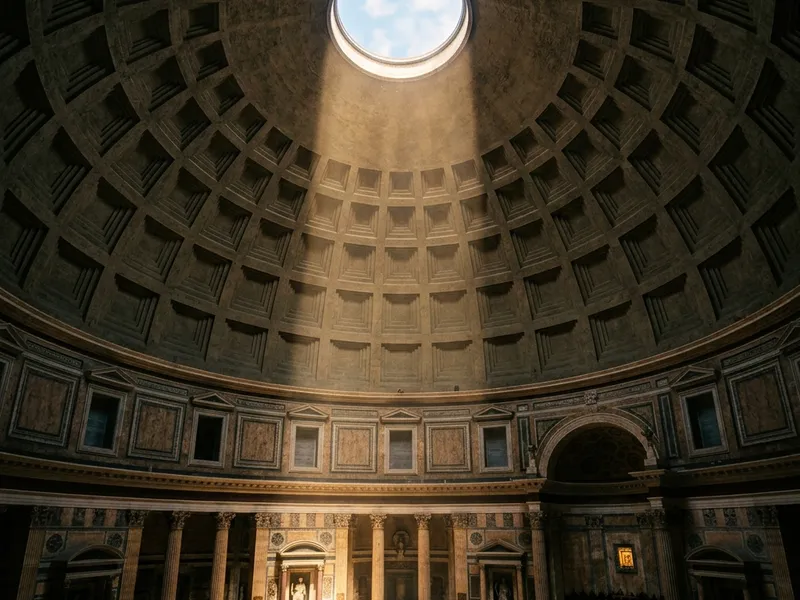
In the physical world, depth is revealed by light and shadow. The texture of a plaster wall, the carving of a marble column, the curve of a dome—all are made legible by the angle of the sun. Without shadow, our surroundings would appear as flat, unreadable shapes.
Yet, on the web, design elements often float in a vacuum. Drop shadows are frequently applied randomly, with varying angles and excessive opacities that break the illusion of a single, cohesive light source.
Establishing a Single Light Source
To create a premium, museum-grade portfolio experience, we must establish a consistent light source across our layout. In Aurelio, we assume a soft, ambient light casting from the top-left corner, cascading downwards.
When panels slide over one another in our overlay sequences, the shadows they cast must be subtle, carrying the warm, organic tones of midnight umber rather than a stark, cold black.
Best Practices for Digital Scenography
- Keep Shadow Opacity Low: A soft, ambient shadow should rarely exceed 5% opacity when placed against light plaster backgrounds.
- Synchronize Angles: Ensure all shadows use a consistent offset (e.g.,
y: 4px, x: 2px), simulating a fixed overhead light. - Motion-Linked Scaling: Scale drop shadows dynamically as elements rise or fall during scroll transitions, establishing a tactile relationship between height and light occlusion.
Symmetry & Soul: The Humanist Grid
Why modern screens need the balance, restraint, and breathing room of classical Renaissance proportions.
Read Next Essay